



Cloud Hot-Path Optimization & Infrastructure Cost Reduction

Rewrite Only the Hottest Paths in Rust — Lower Latency and Compute Spend Without a Full Rewrite

Get in touch
Cloud Hot-Path Optimization & Infrastructure Cost Reduction illustration

Scaling horizontally to absorb traffic spikes drives disproportionate compute spend on memory-heavy runtimes, and a move from on-premise to the cloud often adds latency instead of removing it. The cost usually sits in a small share of the code: often the hottest few percent of paths, the ones that run on every request.

Obox Systems is an international software engineering company headquartered in the US, specializing in high-throughput systems built in Rust. Engagements are led by our CTO, backed by a structured team with mandatory peer review; NDA available on request.

Proven: a Node.js bottleneck rewritten in Rust behind the same API delivered 10x throughput; dynamic load balancing and compute optimizations cut cloud infrastructure costs by up to 30% for a blockchain platform.

We can help you with:

  • Hot-path profiling — CPU, allocation, garbage-collector, lock and I/O profiles under production load, to find the paths that drive latency and cost
  • Surgical Rust rewrite — only the hottest modules of a Java, C# or Python service, behind the same API and with the rest of the system untouched
  • Runtime and kernel tuning — JVM, .NET and Python settings, Linux network and scheduler tuning and eBPF observability, applied before any rewrite where that is enough
  • Migration latency review — from on-premise to AWS, Azure or GCP: instance placement, storage, network, egress and cross-zone traffic checked against your targets
  • Capacity and cost modeling — throughput per unit of compute cost measured before and after, so the saving is a number you can verify
  • Autoscaling and right-sizing — instance types, scaling rules and headroom set from measured load, not from the peak you fear
  • Load tests and benchmarks — repeatable tests on your traffic shape that prove p99 latency and cost per request before release
  • Full ownership — code, benchmarks and runbooks stay yours

The Diagnostic Architecture Audit profiles your hot paths and your cloud bill against real load in five days — a written plan you own.

Technologies we use

  • Rust
  • Linux
  • AWS
  • Docker

Packages

Diagnostic Architecture Audit

Hot-path and cost review — profiling under production load, cloud bill and capacity analysis, a ranked list of the paths worth rewriting and a savings estimate with its assumptions

5 days

Rapid Technical Spike / PoC

One hot path rewritten in Rust, or one tuning change applied, behind the same API and benchmarked on your traffic against the current implementation

10–15 days

Dedicated Engineering Squad

A dedicated Obox team that keeps latency and compute cost under control as traffic grows — profiling, rewrites and scaling rules — with all code and IP staying yours

Monthly retainer

Core Modernization Sprint

Phased replacement of the hottest modules, or a migration to the cloud — parallel run, benchmark gate and rollback at every milestone

Milestone-based

Case Studies

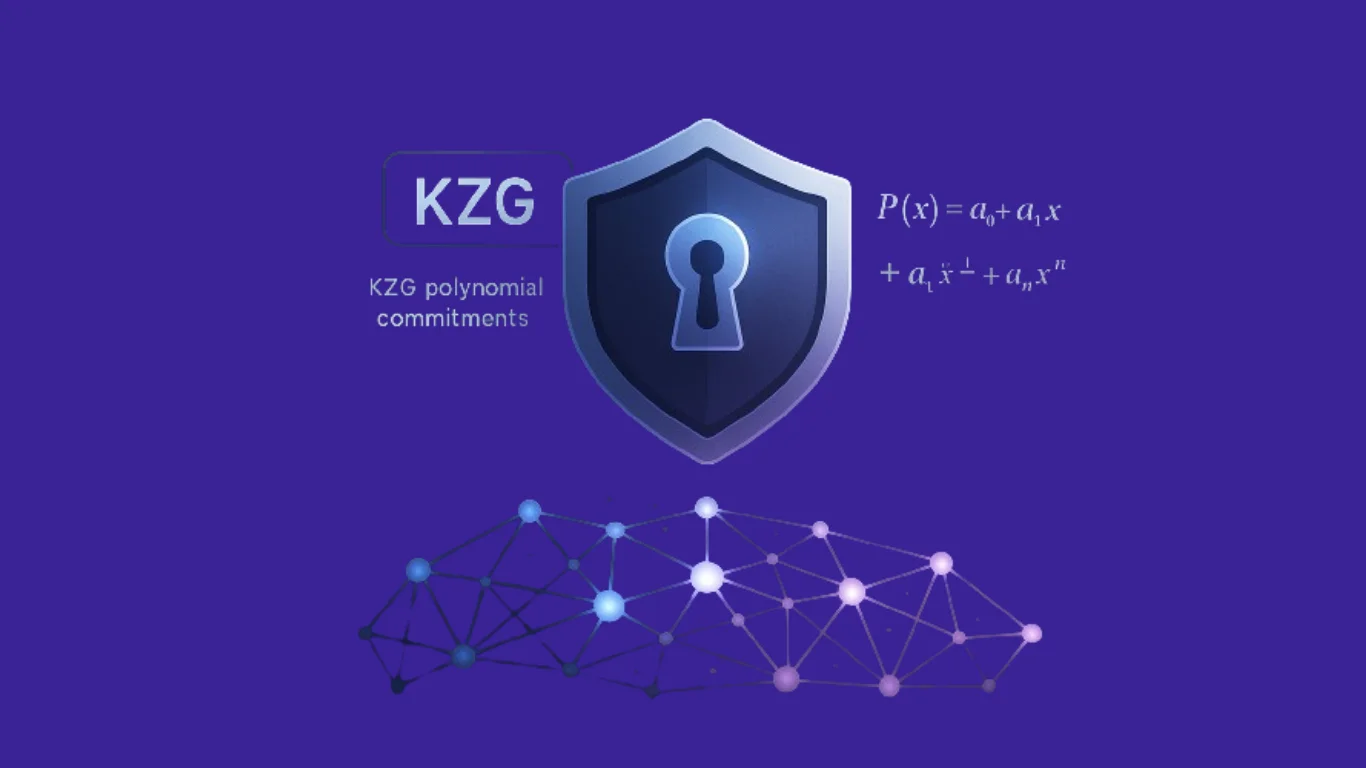
Amortized KZG Commitments project screenshot
Rust Development

Amortized KZG Commitments

United Kingdom5 months

Optimized a blockchain platform with amortized KZG commitments and custom Substrate hooks in Rust, cutting cryptographic overhead and infrastructure costs by up to 30%.

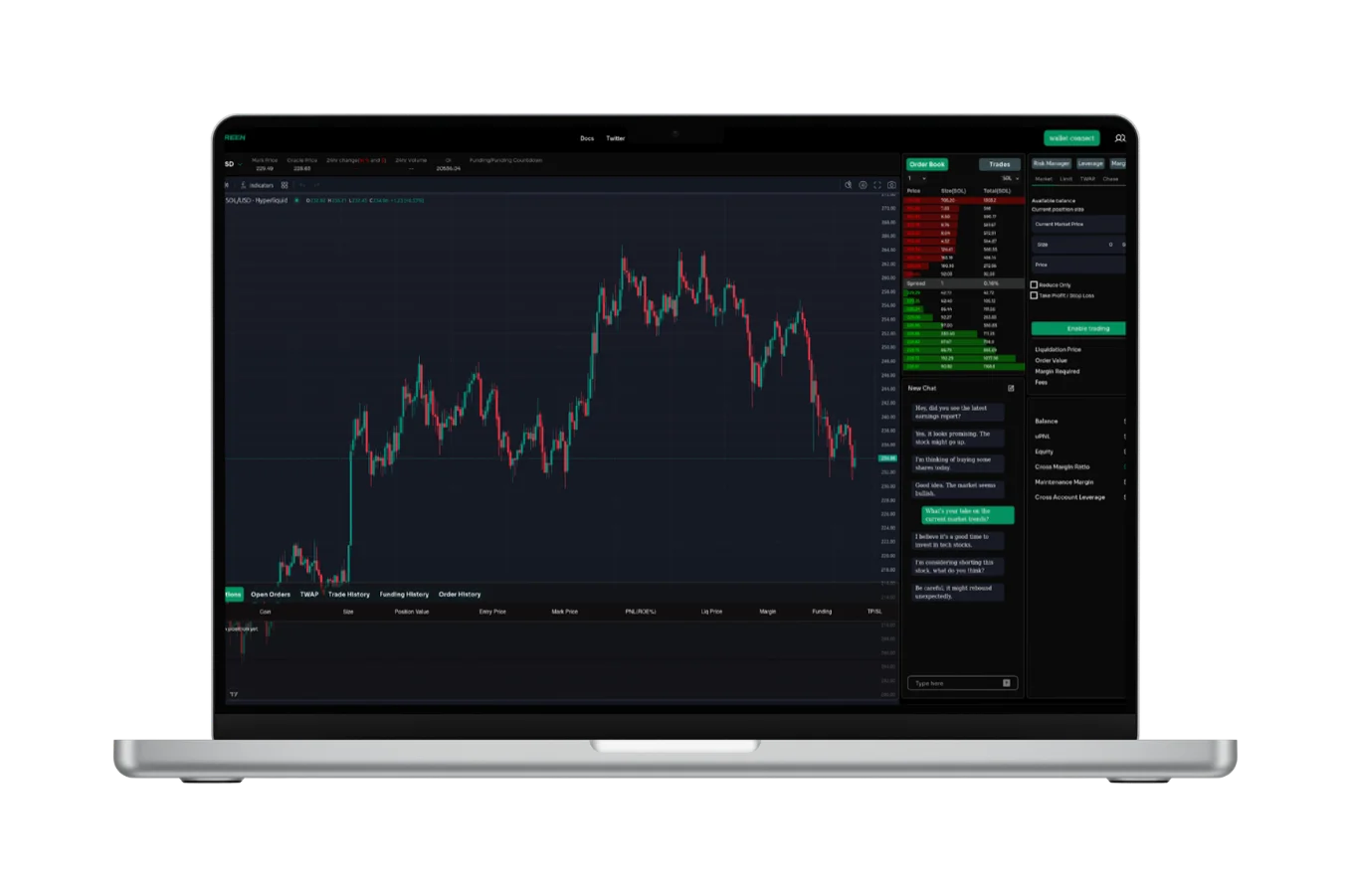
Web-Based Trading App project screenshot
Web App Development

Web-Based Trading App

United States4 months

Delivered a scalable cryptocurrency trading platform with conditional order automation, real-time WebSocket processing handling up to 100,000 subscriptions, advanced charting, and secure wallet integration.

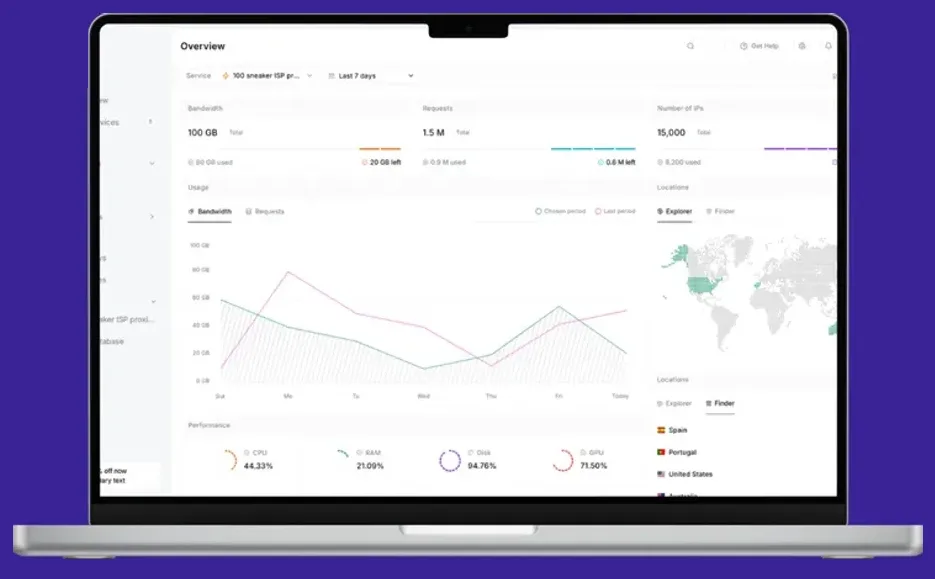
Unified Proxy Management Dashboard project screenshot
SaaS DevelopmentWeb App Development

Unified Proxy Management Dashboard

A modern, API-first client and service management platform that replaces legacy WHMCS — automating proxy and server provisioning from hours to under two minutes across a single role-based dashboard for customers, admins, support, and affiliates.

FAQ

  • No. We profile first and rewrite only the few paths that dominate latency and compute spend, behind the same API. Often tuning the runtime or the kernel is enough, and we say so before any rewrite.

  • We profile CPU, memory allocation, garbage collection, locks and I/O under production-like load and map the results to your cloud bill, so each recommendation carries a measured saving, not a guess.

  • It depends on the workload. The audit estimates it with stated assumptions and the spike measures it on your traffic. One past platform saw up to 30% lower cloud cost.

  • Rust has no garbage collector, so latency has no collector pauses and memory use is predictable, which lets the same traffic run on fewer machines. We choose it only where measurements show a runtime limit.

  • Yes. We review instance placement, storage and network paths, cross-zone traffic and kernel settings against your latency targets, and fix the layers that added delay before touching application code.

  • Yes. The new module sits behind the same API or protocol, runs in parallel with the old one and is switched over in steps with a rollback path, so other teams see no interface change.

  • Yes. Profiling and testing run in your environment, on-premise or private cloud, so no production data leaves your perimeter.

  • A FinOps tool shows spend and trims it through rightsizing and commitments, but it does not change the code that creates the spend. We profile and rewrite the hot paths, and the two work well together.

  • You own the code: IP, source, benchmarks and runbooks are assigned on completion. Contracts are fixed-scope per phase with Obox Systems LLC, a registered Wyoming company, starting with a 5-day audit.

Book a free call

Consult with our engineering team to define the perfect solution for your needs.

Book a call
30 minutes