




AI Copilot Integration

Natural language control for SaaS — users type, the product acts

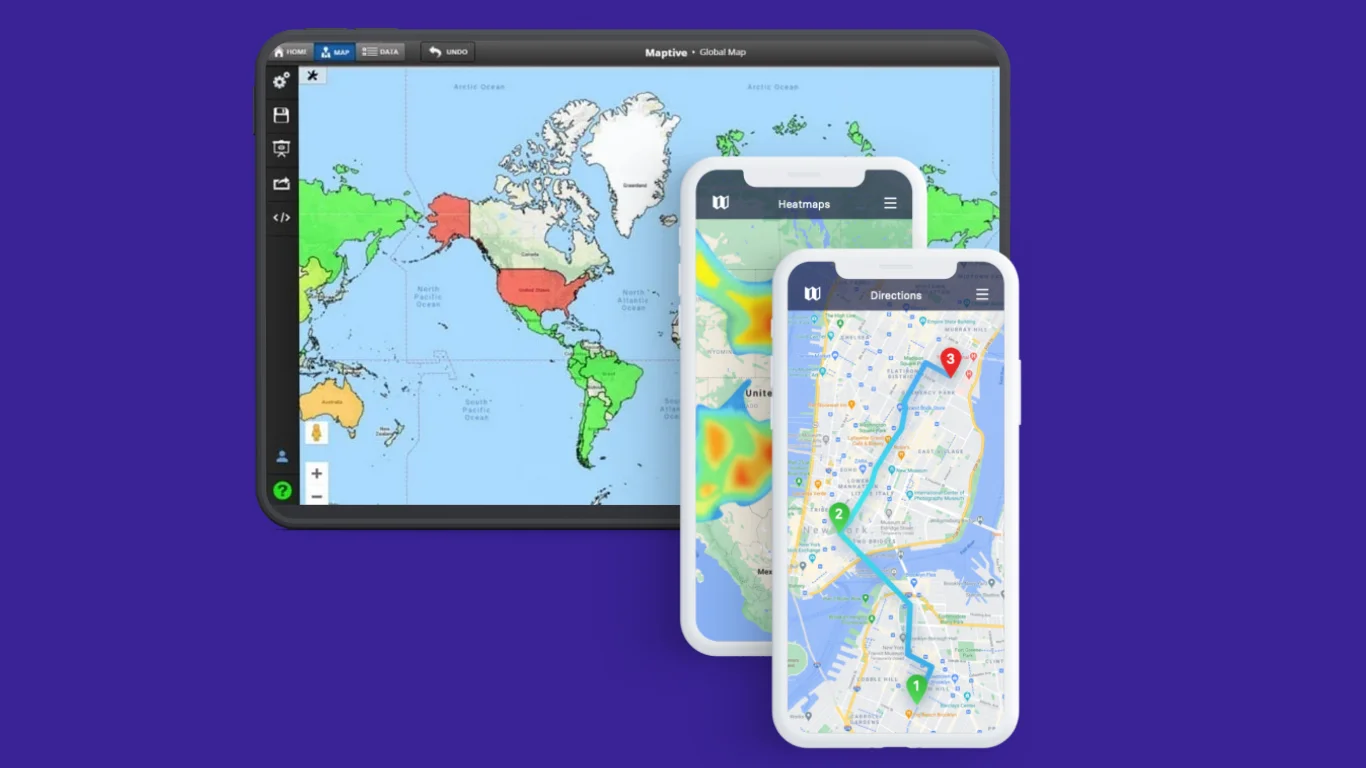
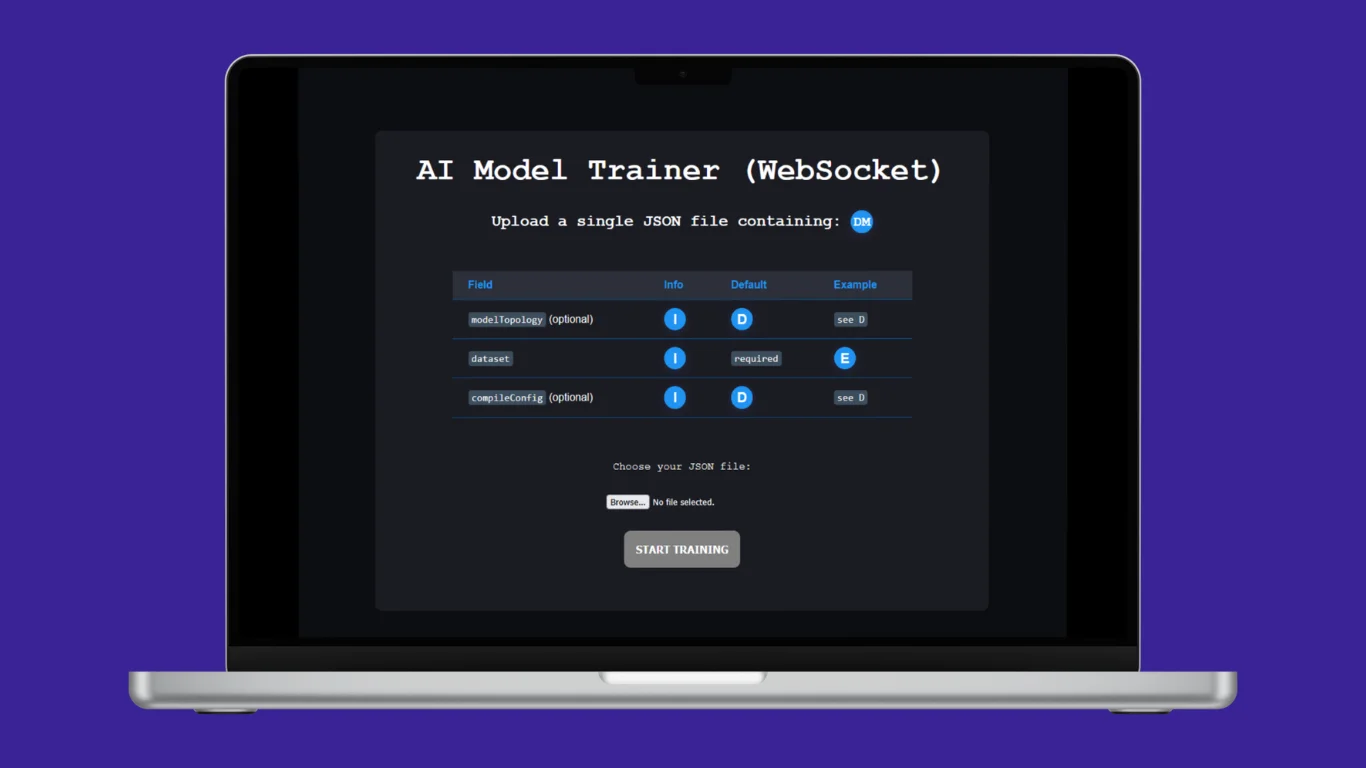
AI Copilot Integration illustration

Most of your product’s capability sits behind menus your users never click. They churn before learning the advanced features — not because the features are wrong, but because the path to them is invisible to anyone who didn’t build the product.

Obox Systems is an international software engineering company headquartered in the US, specializing in AI integrations for production SaaS. Engagements are led by our CTO, backed by a structured team with mandatory peer review; NDA available on request.

We add a natural language control layer to your existing SaaS: users type what they want in plain English, and the product executes it. A chat widget answers questions; a copilot executes commands — built on a typed command contract designed for your product’s action surface, so every response is machine-executable. Your existing UI stays untouched.

We can help you with:

  • Command contract — 12–20 typed {type, params} commands mapped to your product’s highest-value actions
  • Backend proxy — Rust/Axum server that keeps your AI API key server-side, manages history, and enforces token budgets, with Anthropic Claude, OpenAI, or Gemini behind it
  • Production hardening — multi-window rate limits, per-request token caps, abuse protection, Postgres-persisted counters
  • Chat panel — a React component that fits your existing frontend and layout
  • Parse pipeline — lenient JSON extraction that handles fenced, partial, and malformed responses without user-visible failures
  • Full ownership — source code, command schema, and backend stay yours

The Diagnostic Architecture Audit maps your product’s natural language surface in five days — a command schema and architecture you own.

Technologies we use

  • Anthropic Claude
    Anthropic Claude
  • Rust
    Rust
  • React
    React
  • TypeScript
    TypeScript
  • PostgreSQL
    PostgreSQL
  • Docker
    Docker
  • WebSocket
    WebSocket
  • Redis
    Redis

Packages

Your product’s action surface mapped — the commands that matter, a typed command schema, and integration architecture

5 days

A working copilot on a core flow — Rust proxy, chat panel, and the first commands running against your product

10–15 days

A dedicated Obox team extending your copilot — new commands, integrations, and model tuning as the product grows

Monthly retainer

A full natural-language control layer delivered in phases — full command surface, per-user sessions, hardening, and analytics

Milestone-based

Case Studies

FAQ

  • Any web application with a defined action surface — maps, dashboards, CRMs, project tools, IoT monitoring. The key requirement is a frontend with 10+ distinct user actions. We work primarily with React frontends and REST or WebSocket backends, but the architecture adapts to your stack.

  • The command contract is the typed schema defining exactly which actions the AI can execute — {type: "load_dataset", params: {...}}, for example. A well-designed contract stops the AI from hallucinating invalid actions. We design the schema before any implementation code is written.

  • The five-day Diagnostic Architecture Audit delivers the command schema, backend architecture, and integration plan. A first working copilot on a core flow follows in 10–15 days; the full rollout depends on your command surface.

  • No. We deliver a standalone chat panel component that integrates alongside your existing frontend. Your product’s UI stays untouched — the copilot is a new control surface, not a replacement. Users choose how to interact.

  • Anthropic Claude (currently Haiku for speed and cost) by default. The backend proxy is model-agnostic — GPT-4o, Gemini, or your preferred provider are config changes, not rewrites. We scope the model during the Diagnostic Architecture Audit.

  • The key never touches the browser. All AI calls go through a Rust/Axum backend proxy on your infrastructure. The browser sends a plain message; the backend adds the key, calls the AI, and returns typed commands. No dangerouslyAllowBrowser, no key exposure.

  • We build a lenient parse pipeline that handles markdown-fenced JSON, partial responses, and error envelopes — the formats AI models actually return under load. Unknown or malformed commands are dropped with a warning log, not a user-visible crash.

  • Standard on every engagement: multi-window rate limits (per-IP, per-session, global — minute/hour/day/month), token budget enforcement, request size caps, and Postgres-persisted counters.

  • Yes — scoped during the Diagnostic Architecture Audit. Isolated per-user sessions require auth; a shared history view suits multi-operator dashboards. The architecture supports both without a rewrite.

  • Yes. NDA before any codebase access. Signed contracts with fixed scope per phase. Wyoming LLC — you’re contracting with a registered entity, not an individual.

Book a free call

Consult with our engineering team to define the perfect solution for your needs.

Book a call
30 minutes